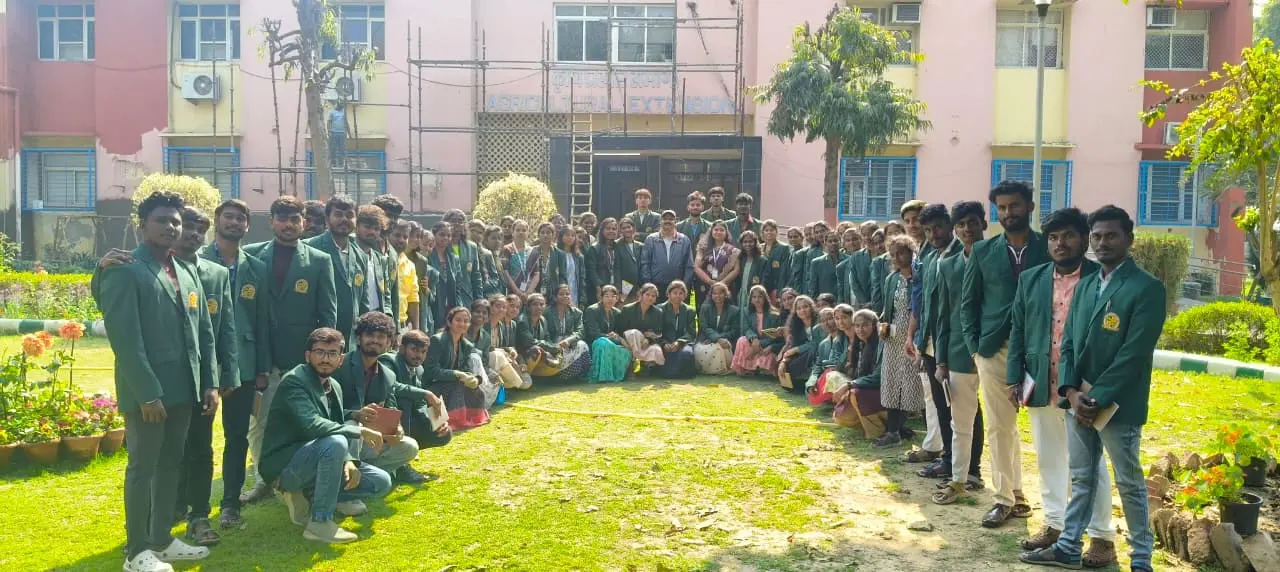
The final-year students of the 2022 batch from Palar Agricultural College participated in the AEX 402 All India Study Tour from February 8, 2026, to February 25, 2026. A total of 74 students took part in the tour. The programme was coordinated by Dr. A. Vennila Mary, Assistant Professor (Agricultural Extension), along with Mr. C. Anbarasu, Assistant Professor (SS & AC); Mr. M. Nirmal Bharathi, Assistant Professor (Agricultural Biotechnology); and Mrs. S. Sathya, Assistant Professor (SST), who guided the students throughout the tour.
During the visit, the students learned about the organizational structure, objectives, vision, mission, and various training programmes of the institutions they visited. They also gained knowledge about modern technologies, ongoing research activities, soil and climatic conditions, and different cropping patterns, which helped them understand the diverse agricultural practices followed across the country.
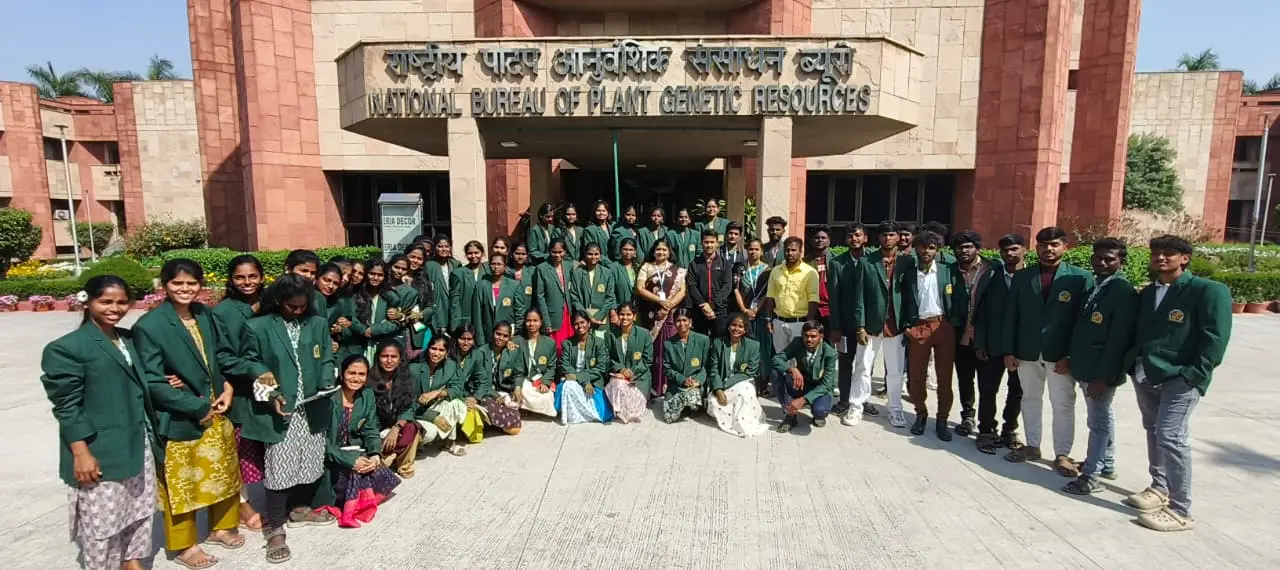
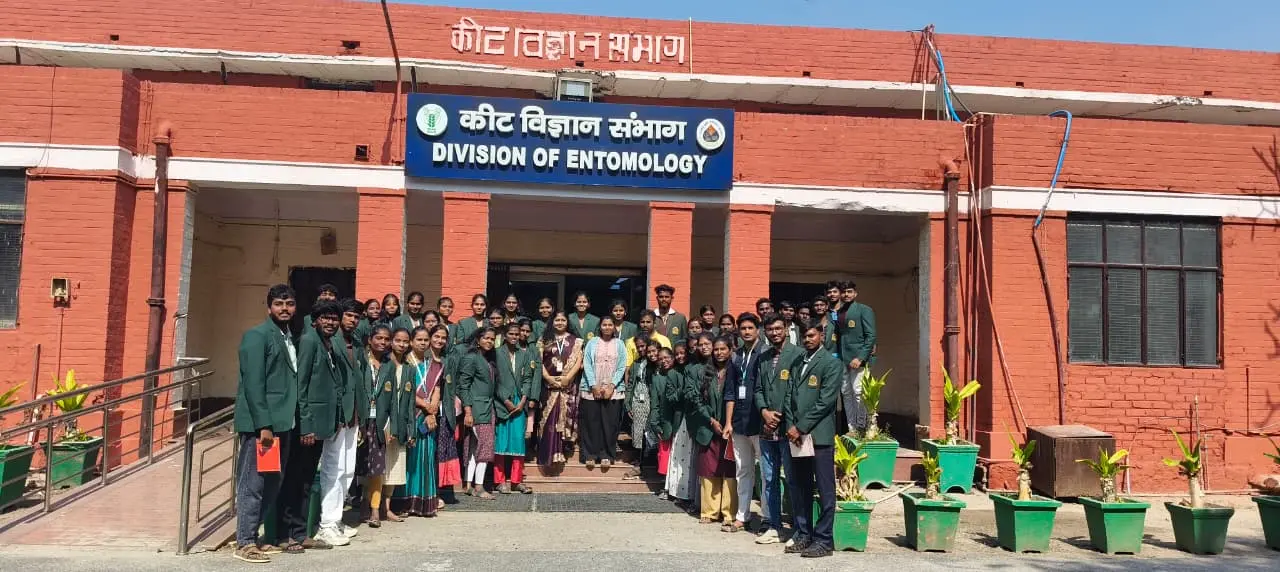
Day 1 (09.02.2026 – Hyderabad):
On the first day of the All India Study Tour, the students visited the International Crops Research Institute for the Semi-Arid Tropics (ICRISAT), Central Research Institute for Dryland Agriculture (CRIDA), and Agricultural Technology Application Research Institute (ATARI), Hyderabad. The visits provided valuable insights into dryland agriculture, climate-resilient crops, and extension strategies. The students learned about advanced research technologies, crop improvement programmes, and sustainable agricultural practices suited for semi-arid regions.
Day 2 (10.02.2026 – Hyderabad):
On the second day, the students visited the National Institute of Plant Health Management (NIPHM) and ICAR–Indian Institute of Oilseeds Research (IIOR). The visit emphasized plant protection techniques, pest surveillance systems, and integrated pest management practices. At IIOR, the students gained knowledge about oilseed crop improvement, production technologies, and research advancements.
Day 3 (11.02.2026 – Hyderabad):
The third day included visits to the National Institute of Agricultural Extension Management (MANAGE), National Academy of Agricultural Research Management (NAARM), and Indian Institute of Millets Research (IIMR). The students were exposed to extension management strategies, leadership development programmes, and innovations in millet research. The importance of millets in nutritional security and climate resilience was highlighted.
Day 4 (13.02.2026 – Jaipur & Agra):
On the fourth day, the students visited the International Horticulture Innovation and Training Center (IHITC) and the National Institute for Agricultural Marketing (NIAM). The visit provided exposure to modern horticultural techniques, protected cultivation, and agricultural marketing systems. The students learned about value chain development, pricing strategies, and market intelligence.
Day 5 (16.02.2026 – Dehradun):
The fifth day’s visits included the Forest Research Institute (FRI), Wildlife Institute, and Indian Institute of Soil and Water Conservation (IISWC). The students gained knowledge on forest management, biodiversity conservation, wildlife protection, and soil and water conservation techniques. The exposure helped them understand ecological sustainability and natural resource management.
Day 6 (20.02.2026 – New Delhi/Karnal):
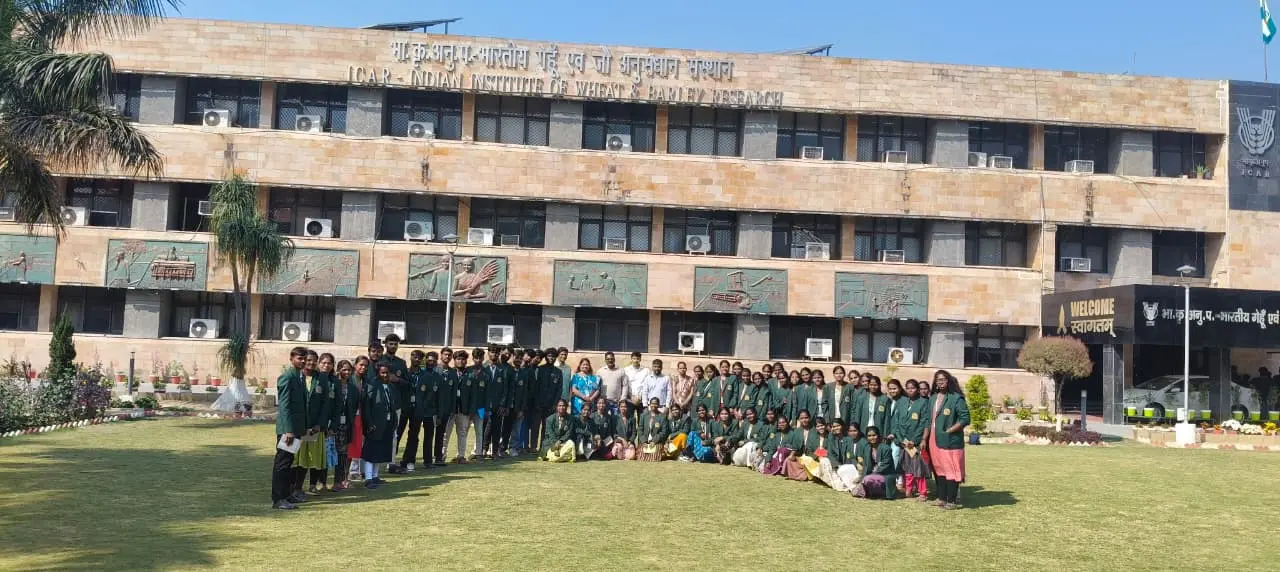
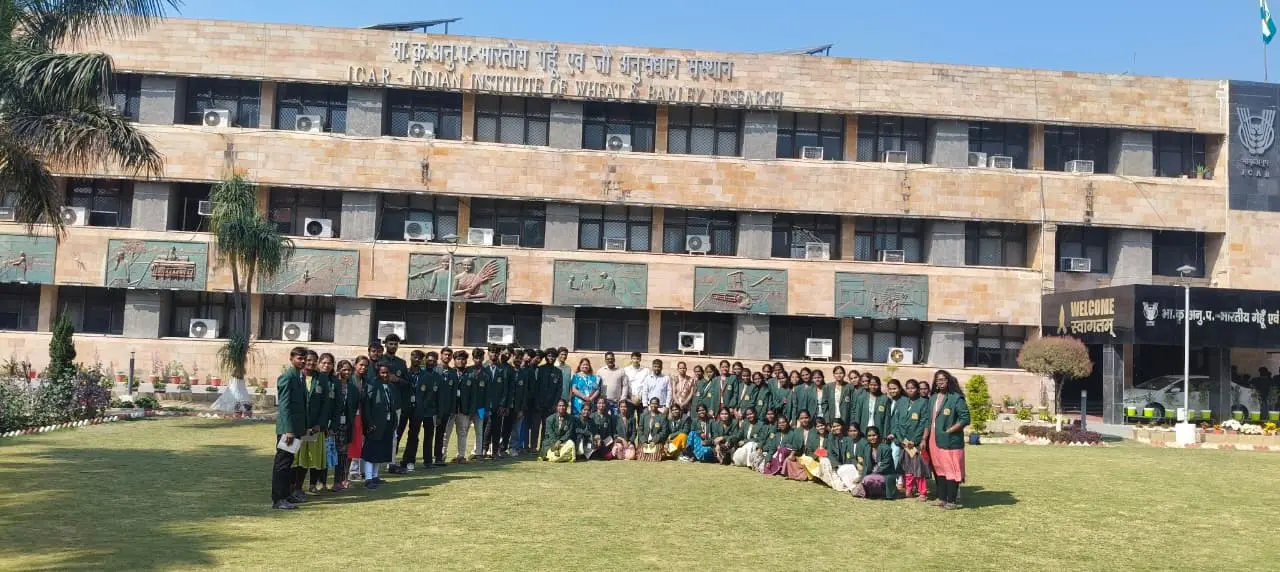
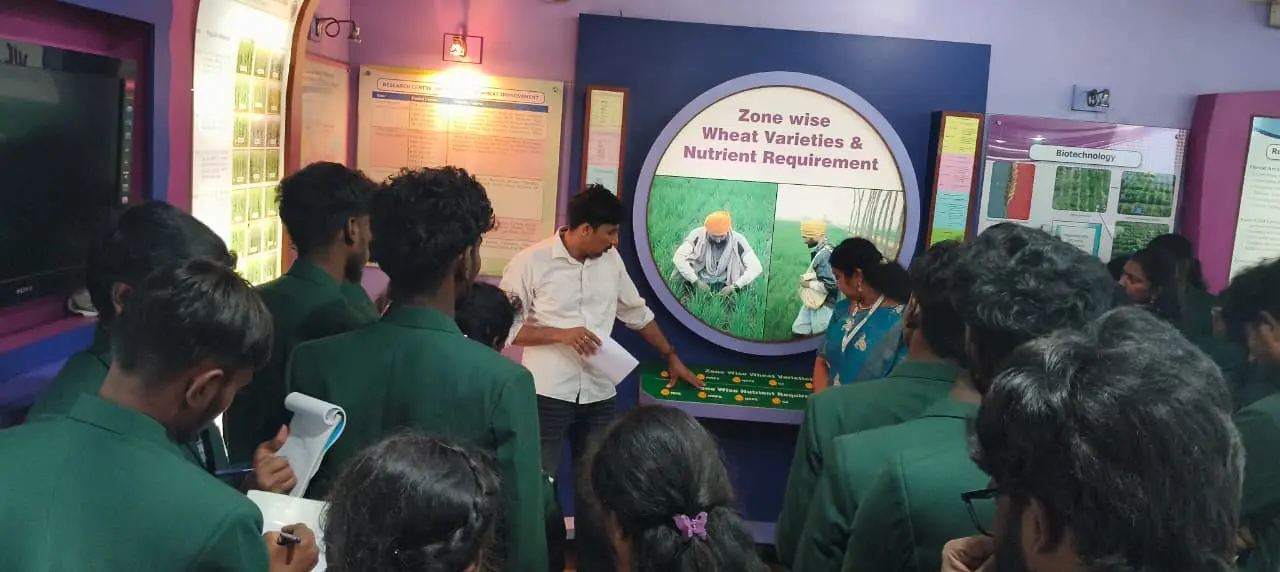
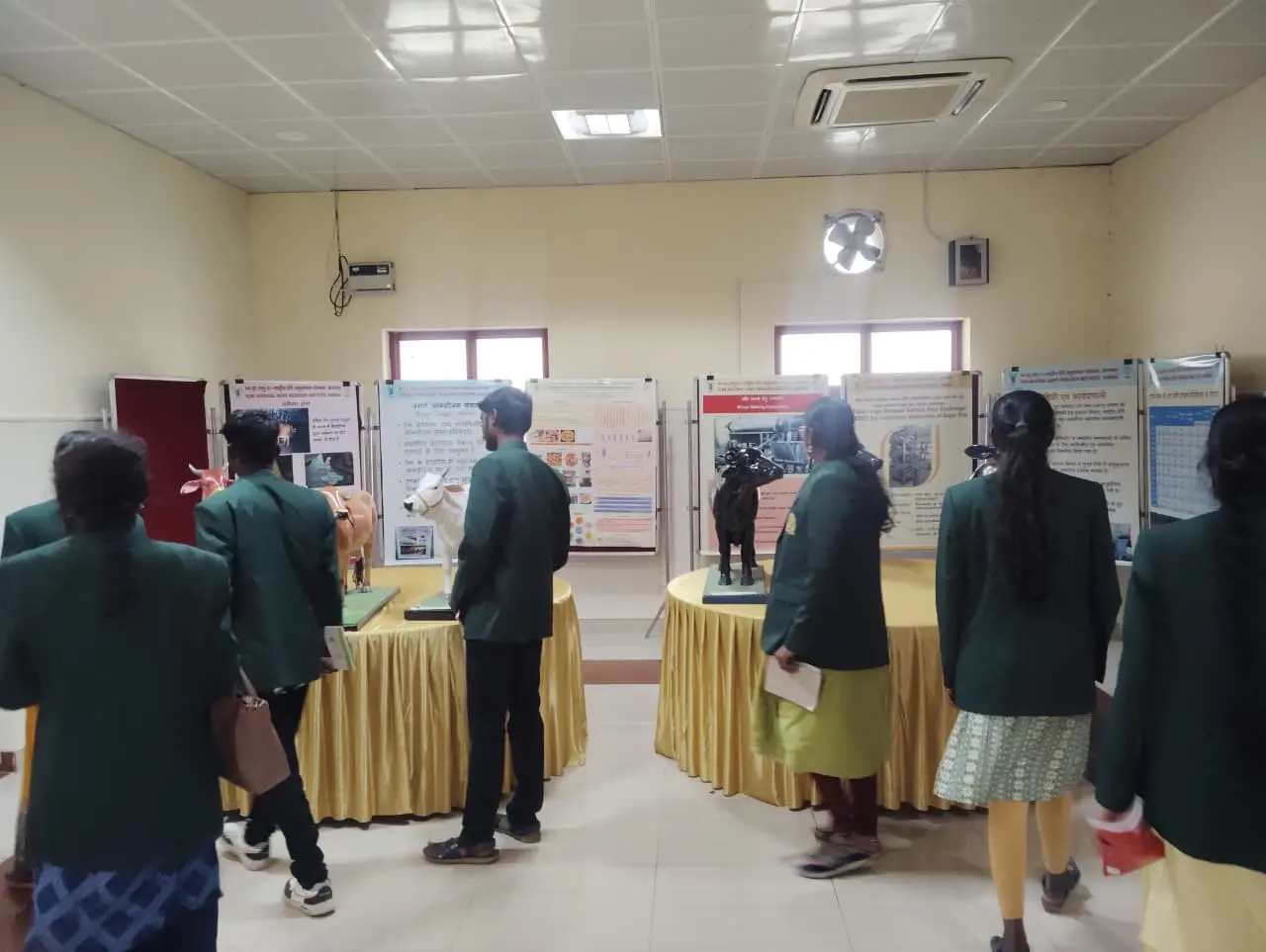
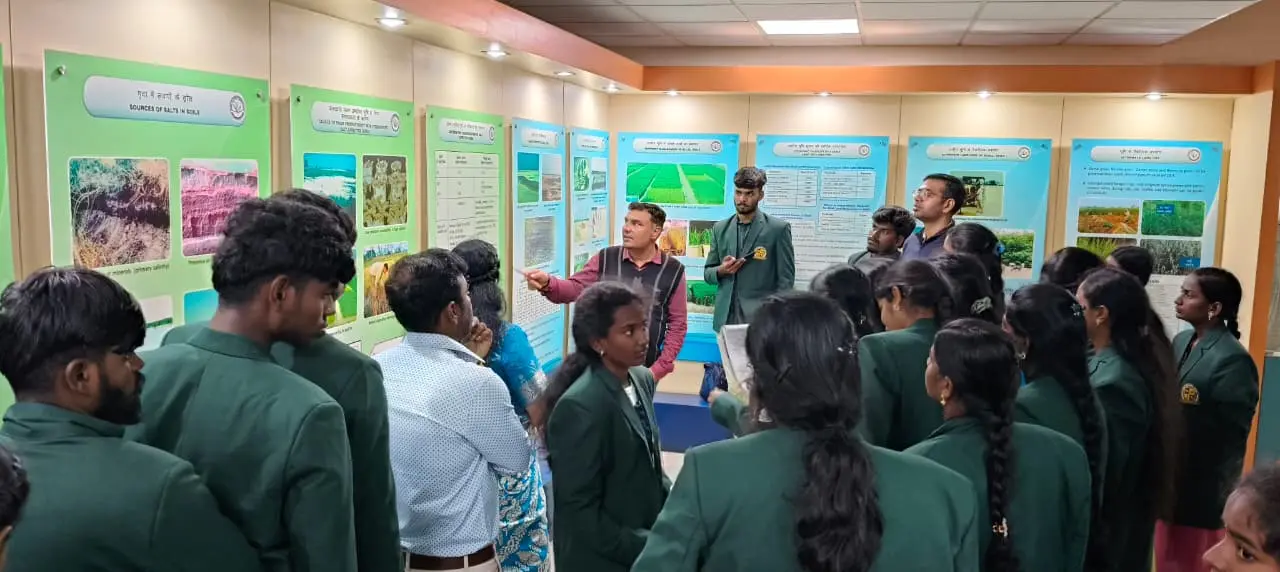
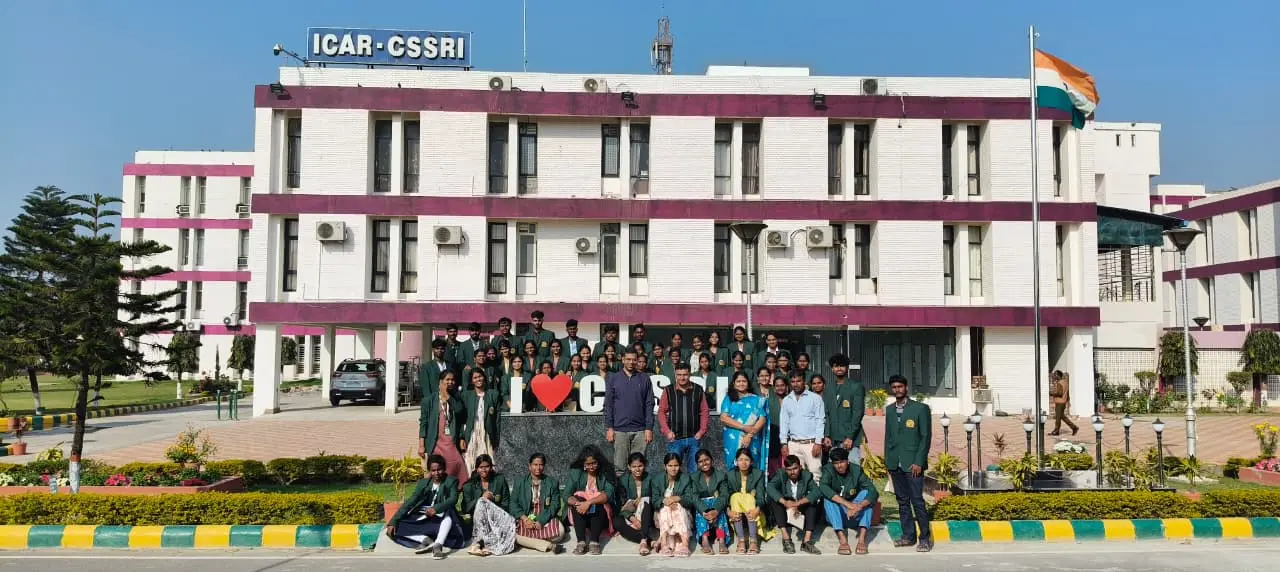
On the sixth day, the students visited the National Dairy Research Institute (NDRI), Climate Resilient Livestock Research Institute, Indian Institute of Wheat and Barley Research (IIWBR), and Central Soil Salinity Research Institute (CSSRI). The visits focused on livestock management, climate-resilient animal production, wheat and barley improvement, and soil salinity management. The students gained practical exposure to advanced agricultural and livestock technologies.
Day 7 (21.02.2026 – New Delhi):
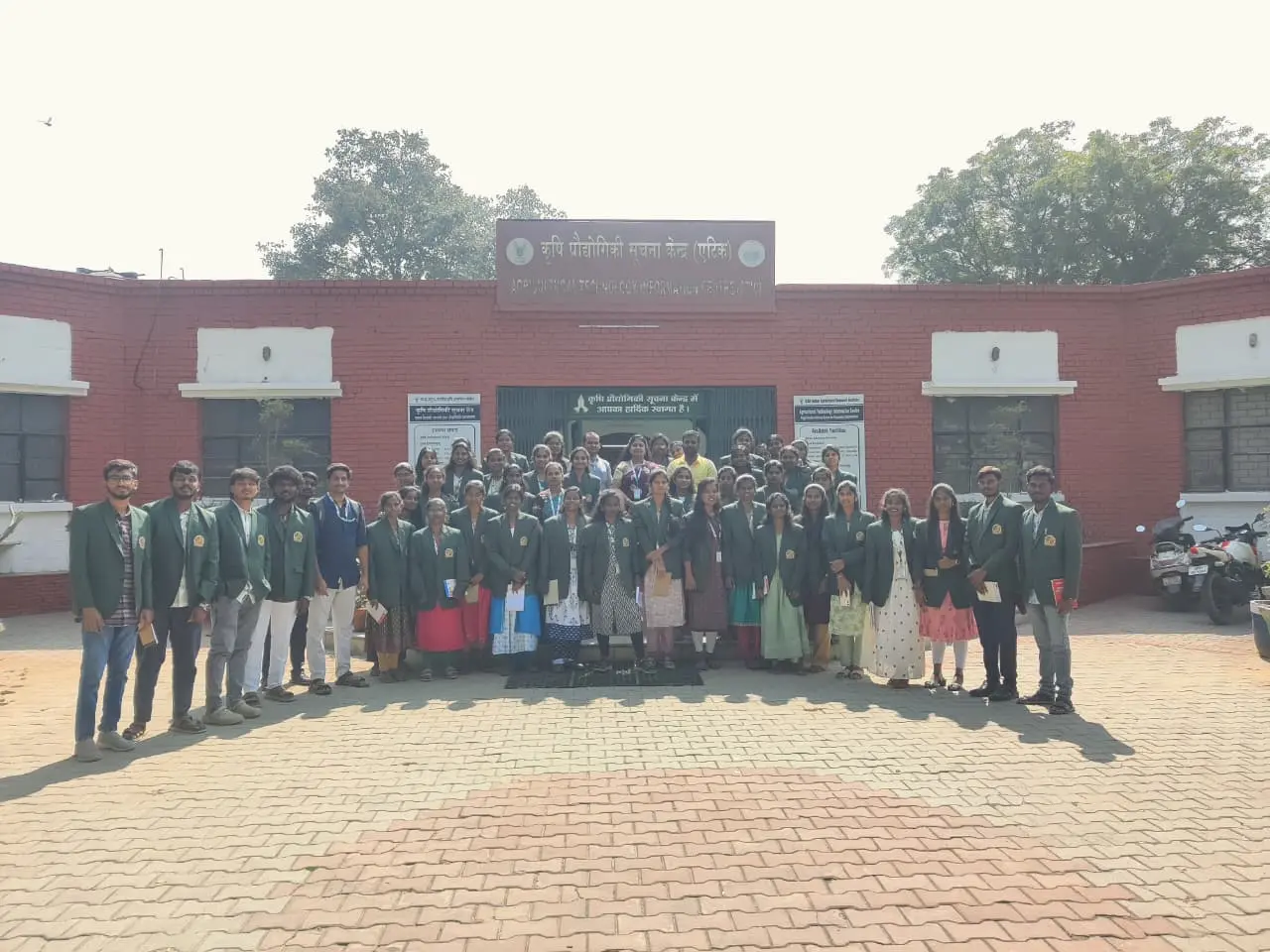
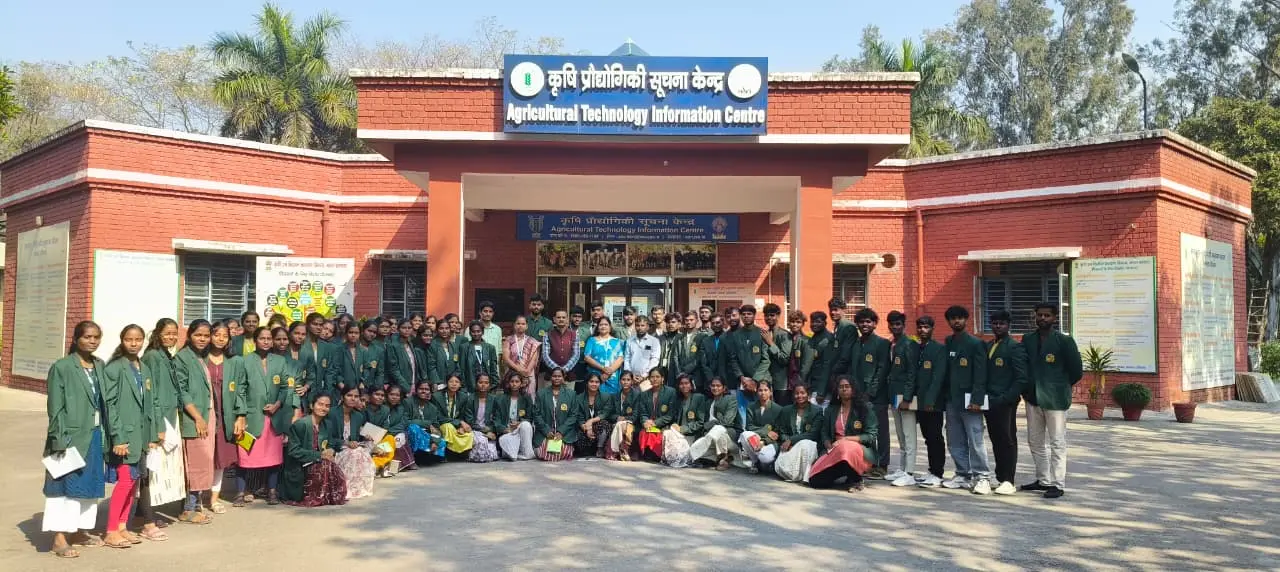
On the seventh day, the students visited the Agricultural Technology Information Centre (ATIC) at the Indian Agricultural Research Institute (IARI). The visit highlighted the dissemination of agricultural technologies, farmer advisory services, and technology transfer mechanisms. The students understood how research outputs had been effectively delivered to farmers.